

Bioanbau/Weine
At vero eos et accusam et justo duo
Stet clita kasd gubergren, no sea takimata sanctus est Lorem ipsum dolor sit amet. Lorem ipsum dolor sit amet, consetetur sadipscing elitr, sed diam nonumy eirmod tempor invidunt ut labore et dolore magna aliquyam erat, sed diam voluptua.
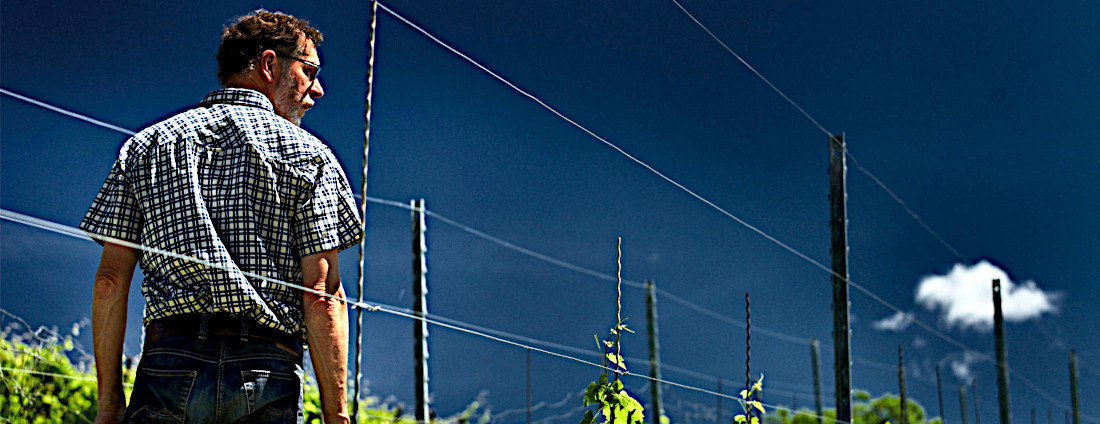
Cultivation and development – Strictly organic
Better quality without herbicides or artificial fertilizers, but by resource-efficient viticulture in close relation to nature.
Gerd Schindler firmly believes that ecological viticulture includes not only a respect for nature and the soil, but also for the lives of animals. Thus, the development of their new wine follows strictly vegan pinciples and for clarification and filtering abstains from animal substances such as gelatin, chicken protein or casein so that you can enjoy ecologically sound and responsibly developed wines of the highest quality.
Individually distinct viticulture is more than the sum of agriculture and cellaring. It includes a wise management of the soil as well as the knowledge of what any individual vine may accomplish.
Fertilization by adding humus to the soil, moderate pruning, a balanced leaf to fruit ratio, the knowledge of what any individual vine may accomplish as well as the decision when exactly to harvest the grapes: all this is just as much part of considerate viticulture as the little bit of luck any winemaker needs for climatically perfect conditions.
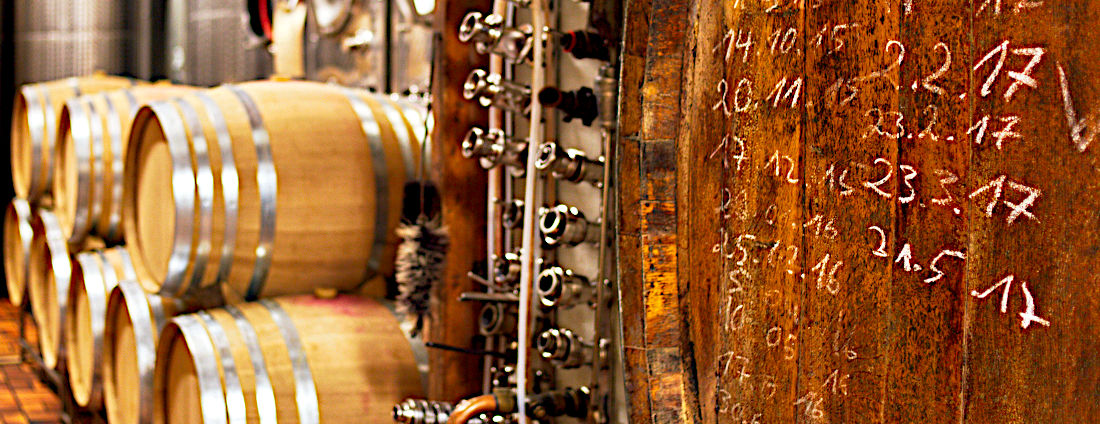
In the cellar - Serene management and inspiration
Different ways of development, fermentation control, big or small barrels, oak or stainless steel – cellaring demands experience and inspiration as well as an indispensable calm and serenity.
A wise assessment of the vineyard’s potential for a particular variety, small quantities, timely vintage and serenity in the cellar all aim to create optimal wines.
Lämmlin-Schindler’s white wines, whose freshness Gerd Schindler wants to retain and whose fermented carbonic acid he aims to bring into the bottle, develop in steel tanks, while the richer white wines from the Große Lage develop in small oak barrels. These include selected grapes of Gutedel which are aging on their own yeast in the barrel, as well as the Sauvignon Blanc (Fumé Blanc) that is also developed in oak and presents itself with a spicy roasting aroma. Lämmlin-Schindler’s Spätburgunder from Mauchener Frauenberg, that has received numerous awards, also develops in oak and presents itself ruby red, with intensive tannin and lasting fruitiness.
Weine
Individual wines with personality
Light-bodied, elegant white wines, ruby red, rich and fruity red wines, traditionally produced sparkling wines and fine brandies – Lämmlin-Schindler's assortment encompasses them all.
"If the vines have been pruned well, leaf and fruit ratio as well as soil management prove right, nature plays along and the time of harvest is correct, then in the cellar ‘all’ we need to do is steering it in the right direction." (Gerd Schindler)
Gerd Schindler is especially proud of his award-winning ruby red Spätburgunder that grows as Großes Gewächs on Mauchener Frauenberg.
All Lämmlin-Schindler’s wines have a highly individual touch. Their superb quality is no coincidence: In order to achieve rich and balanced results, especially the red vines are grown in small quantities only.
Traditionally produced varieties of sparkling wine, noble sweet aperitifs and fine varieties of brandy round of the estate’s extensive assortment.
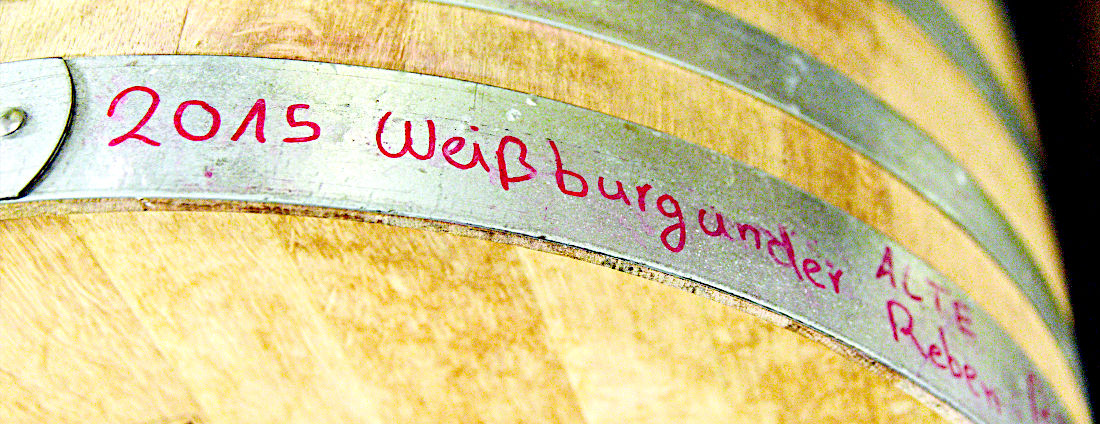
White wines
Gutedel
The Chasselas grape probably originated in the Jordan Valley and is over 5000 years old. In Switzerland, it is also known under the names "Chasselas" or "Fendant". The Chasselas has been at home in the Markgräflerland for over 200 years and is therefore considered particularly typical of the region.
Riesling
The Markgräflerland can best serve the preferences of the popular Riesling grape: stony soils, which it finds above all in the Mauchener Frauenberg site. Characterized by the mineral Jurassic limestone, the wine has a racy structure combined with a stimulating grapefruit and peach scent.
Scheurebe
Named after Georg Scheu, the breeder of the Scheurebe, and bred in 1916, the variety is a cross between Sylvaner and Riesling. It produces a wine with a racy aroma of blackcurrants and grapefruit.
Sauvignon Blanc
About 100 years ago, Sauvignon Blanc was cultivated in Germany as Muskat-Sylvaner. Today it is internationally known. The citrusy aromas and hints of gooseberry as well as the fine scent of elderflower compete according to the vintage and give the wine a refreshing character. The Fumé Blanc variant from Lämmlin-Schindler, aged in small oak barrels, corresponds excellently with its spicy roasted aromas to the delicately fresh basic character of the grape.
Gewürztraminer
Aromatic: The Gewürztraminer’s intensive rose aromas make it a delicious aperitif and popular companion to full-flavoured cheese. Its pleasant combination of fresh acidity and aroma is typical for this variety.
Weißburgunder
Tender and fruity: This rich and tender-fruity wine with its racy structure is a member of the Burgunder family and together with Grau- and Spätburgunder forms the pillars supporting the Lämmlin-Schindler estate.
Chardonnay
Opulent: The popular and widely spread variety of Chardonnay is especially known for its ability to adapt to various conditions. Originally from France, it captivates us with its aroma of citrus and its opulent character.
Grauburgunder/Ruländer
Dry or residual sweet: The dry Pinot Gris becomes a wonderfully tangy wine type at Lämmlin-Schindler due to a slightly earlier harvest. The strong Pinot Gris impresses with its spiciness and fine roasted aromas. Pinot Gris with a nice residual sweetness are in the range under the synonym Ruländer, which captivate with their rich character and aromas of nuts and fruits.
Cabernet Blanc
Full-bodied: The white grape variety of Cabernet Blanc has been newly cultured in 1991 and belongs to the most fungus-resistant varieties. Its wine is full-bodied and dense and its fresh taste reminds of Sauvignon Blanc.
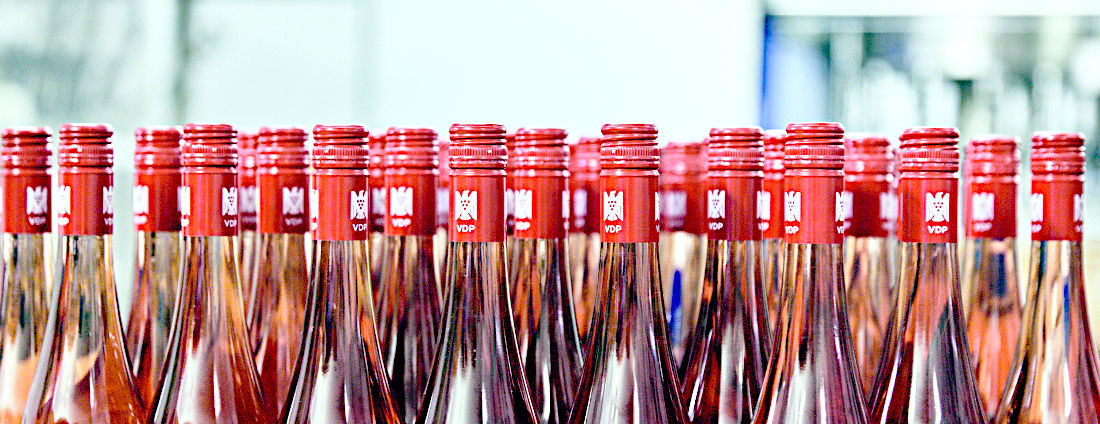
Rosé wines
Spätburgunder and Merlot
Fruity and fresh: Wines produced primarily from the red grape varieties Pinot Noir (Spätburgunder) and Merlot feature a lovely raspberry aroma and lively acidity. By separating the berries from the must at an early stage, winemakers create rosé wines that are prized - especially in summer - as fruity, fresh companions.
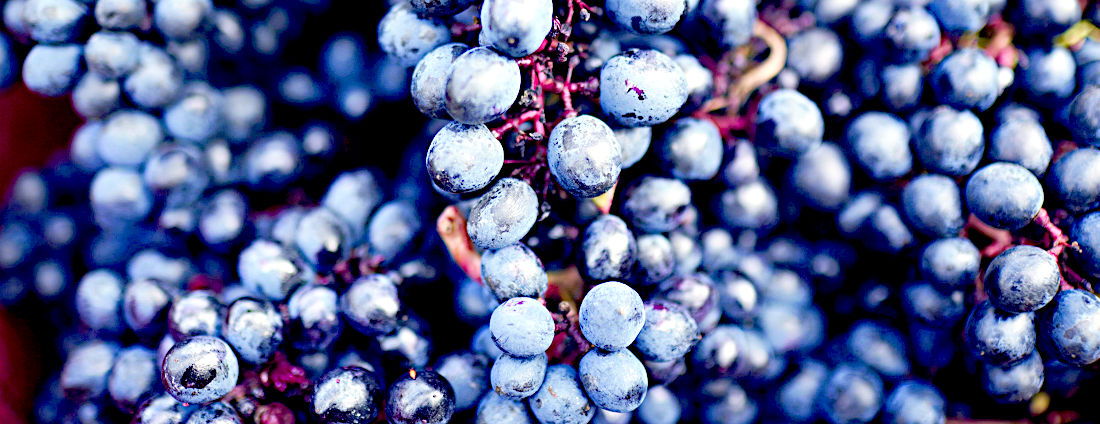
Red wines
Spätburgunder
For sophisticated demands: The “red one” of the Burgunder family is called Blauburgunder in Switzerland, Pinot Noir in France and Spätburgunder in Germany. At Lämmlin-Schindler, its cultivation is a century-old tradition. This well-structured red wine captivates with an extensive array of aromas that range from a light bouquet of raspberry or cherry to strong spicy aromas. In any case, the Spätburgunder is a top range wine for sophisticated demands.
Merlot
Smooth and mellow: Originally from the area around Bordeaux in France, this grape variety has only been allowed to be cultivated in Germany since 1997. Its grapes develop into smooth, mellow and deeply red wines with a fruity, rich character. Merlot is a very sustainable wine well suited to be stored for long periods of time, but can just as well develop a pleasant maturity after only a few years.
Red wine cuvée
An elegant combination: The Lämmlin-Schindler Red Wine Cuvée is a combination of Cabernet and Pinot Noir. The rocky soil, on which these grapes grow, led to its name FRAUENFELS. This red wine offers a strong, spicy aroma of Paprika as well as a fruity bouquet reminding of blackberry and cassis – an elegant combination of the rich finesse and variety of aromas inherent in these grapes.
Blaufränkisch
Versatile: Blaufränkisch, also known as Lemberger, prefers a mild climate and dainty sites. Stony loess-loam soil especially produces a superb quality. Depending on the time of harvest, these grapes can be developed into light and fruity wines or into deeply red wines that are high in tannin, full-flavoured, rich in character and offer aromas of cherry and berries. This wine can also be stored for a long time.
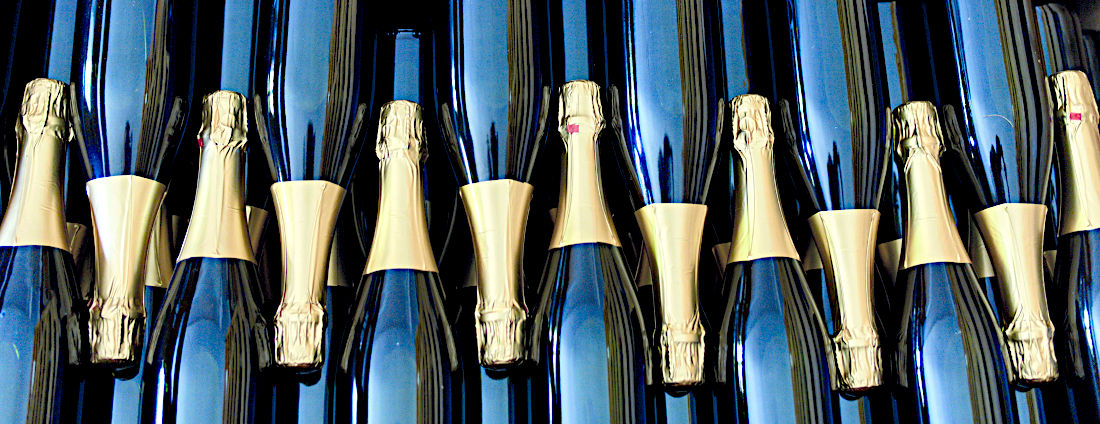
Sparkling wines & Secco
Sparkling wines
Traditional bottle fermentation: Lämmling-Schindler’s Winzersekt is produced according to the traditional Champagne-method and thus ferments in the bottle for 12 months. It is mainly pressed from grapes of Spätburgunder, Chardonnay and Weißburgunder, that give it a fruity touch, an intensive, long-lasting perlage and a delicate pink colouring.
Secco – unfortunately drunk
Quippini
Sparkling and fresh: The Quippini (Latin for "Why not?") is a delightful semi-sparkling wine made from ripe, fruity Müller-Thurgau grapes.
Sweet wines
Sweet and Noble-Sweet Wines
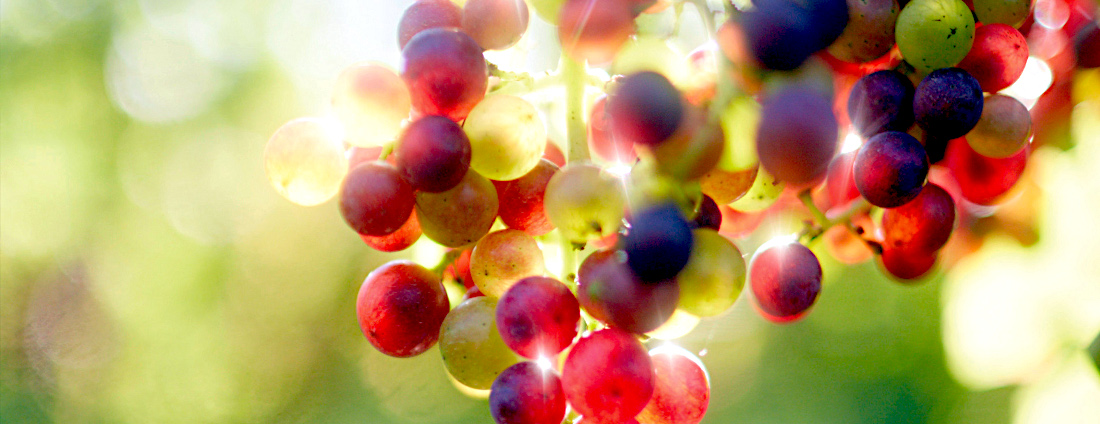
Hand-Harvested Elixirs: The Lämmlin-Schindler range features specialties ranging from sweet wines to hand-selected Trockenbeerenauslese - the pinnacle of the quality pyramid for German Prädikat wines. Here, "hand-selected" is to be taken literally, as the traditional German method involves manually picking out the shriveled, raisin-like berries affected by noble rot. These yield tiny quantities of an elixir unique to Germany - typically low in alcohol yet rich in unfermented natural grape sugar and boasting brilliant acidity. Fine Trockenbeerenauslese wines are usually amber-colored and distinguished by their exceptional longevity.
Brandies
Fine Brandies
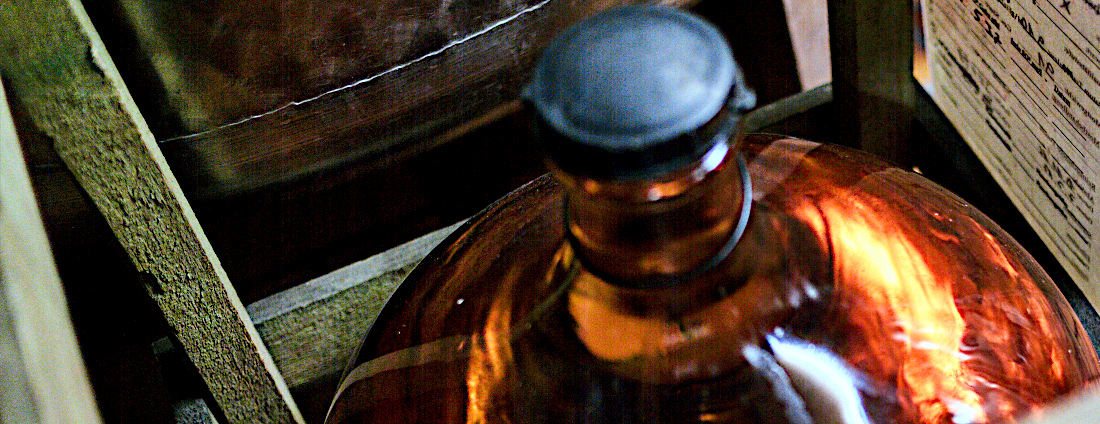
High-proof: We distill all our brandies in our own distillery from our own, handpicked fruits and the marc from grapes and wine yeast.